


The Top 5 Benefits of Vitamin D You Didn’t Know About

Many people search for the benefits and side effects of Vitamin D, especially with the growing discussion about its impact on many body functions and overall physical and mental health. So, what is this vitamin? What are its benefits and importance? What is its proper dosage? And how can you get the maximum benefit from it? You will find answers to all these questions and more in this article.
Vitamin D is considered one of the most important vitamins the body needs to maintain bone health, immunity, and many vital functions. Although it can be easily obtained through sun exposure, deficiency rates are remarkably high in Saudi Arabia and the Gulf countries, making it a topic worth attention for anyone seeking better health.
What is Vitamin D and why is it called the “sunshine vitamin”?
Vitamin D is a fat-soluble vitamin that helps regulate calcium and phosphorus absorption, making it essential for healthy bones and teeth. It is called the “sunshine vitamin” because the skin naturally produces it when exposed to ultraviolet rays.
But in Gulf societies, limited sun exposure due to hot weather or indoor lifestyles leads to deficiency despite abundant sunlight, which explains the spread of bone problems and weakened immunity among many.
The benefits of Vitamin D for overall health

One of the most well-known benefits of Vitamin D is its role in bone health. But its functions extend beyond that, influencing multiple systems in the body:
- Strengthening bones and teeth: Helps better absorption of calcium and phosphorus, which impacts the development of bones and teeth. Children especially need it during growth.
- Boosting immunity: Reduces the chances of seasonal infections.
- Supporting heart health: Some studies show that deficiency is linked to increased risk of heart disease.
- Improving mood: Low Vitamin D levels may cause depression and fatigue.
- Protection against chronic diseases: Such as type 2 diabetes and some types of cancer.
Symptoms of Vitamin D deficiency in Saudi Arabia
The symptoms of Vitamin D deficiency appear gradually and may sometimes be subtle. The most common are:
- Bone and muscle pain.
- General weakness and persistent fatigue.
- Frequent fractures or slow bone healing.
- Hair loss and brittle nails.
- Mood swings and depression.
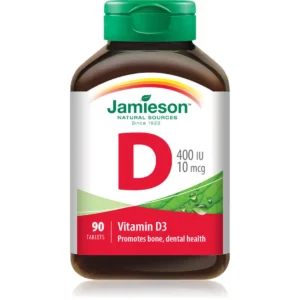
Medical statistics in the Kingdom indicate that a large percentage of women and men suffer from Vitamin D deficiency, especially housewives and office workers with little sun exposure. Many require preventive supplement doses such as Jamieson Vitamin D 400 IU.
Natural sources of Vitamin D
Fortunately, Vitamin D and its benefits can be obtained from multiple sources:
- Sunlight: 10–15 minutes of direct exposure daily is enough to stimulate production.
- Food: Fatty fish (salmon, tuna, sardines), egg yolks, and liver.
- Fortified foods: Such as milk and cereals enriched with Vitamin D.
- Supplements: Most common in Saudi Arabia, especially for women and the elderly.

Recommended daily dose of Vitamin D
Dosage varies by age and health status:
- Infants and children: 400 IU per day.
- Adults up to 70 years: 600 IU per day.
- Seniors over 70 years: 800 IU per day.
- Pregnant and breastfeeding women: 600–800 IU per day.
A doctor should always be consulted before taking Vitamin D supplements to determine the right dose and avoid overuse, since excessive amounts may cause health problems such as kidney stones.
The link between Vitamin D and women’s health in Saudi Arabia
Saudi women face a higher deficiency rate than men, for several reasons:
- Limited direct sun exposure.
- Low consumption of Vitamin D-rich foods.
- Pregnancy and breastfeeding, which increase the body’s needs.
That’s why doctors always recommend regular check-ups for women, especially those of childbearing age, along with supplements when needed.
The best time for sun exposure to get Vitamin D
Sun exposure is the most natural way to benefit from Vitamin D. In Saudi Arabia, it is best to:
- Choose early morning or late afternoon to avoid harsh rays.
- Expose hands and face for 10–15 minutes daily.
- Avoid excessive exposure which may harm the skin.
Vitamin D testing in Saudi Arabia
It is now easy to perform a simple blood test to measure Vitamin D levels in the body. Doctors recommend doing the test every 6 months, especially for:
- Pregnant women.
- Seniors.
- Diabetic and obese patients.
- People with osteoporosis.
You can also request this test through the Ivita laboratory service, which offers many medical analyses at amazing discounts.
The role of Vitamin D in immunity against seasonal illnesses
During winter and the spread of respiratory infections, the discussion about Vitamin D’s role in strengthening immunity increases. Studies have shown that people with adequate Vitamin D levels are less likely to catch flu and colds—something particularly important for the Saudi community, which experiences sharp weather changes during certain seasons.
Tips to maintain healthy Vitamin D levels
To ensure you get the full benefits of Vitamin D, follow these guidelines:
- Make daily sun exposure a habit.
- Add Vitamin D-rich foods to your meals.
- Don’t neglect regular medical checkups.
- Consult your doctor before taking any supplements.
- Adopt a healthy lifestyle combining balanced nutrition and physical activity.
Ivita’s role in raising awareness about Vitamin D
At Ivita Medical, we are committed to providing Saudi and Arab readers with the latest reliable medical information, along with practical tips that fit your daily life. Our articles about Vitamin D and other health topics aim to empower you to make better decisions for your health and your family, away from unreliable sources.
In addition, we offer a wide range of medical products that contain Vitamin D in various concentrations, from preventive to therapeutic.
Finally; Vitamin D is not just a supplement—it is a vital element for bone health, immunity, and mood regulation. In Saudi Arabia, where deficiency is widespread, awareness and early testing are more necessary than ever. With simple steps like sun exposure and eating fortified foods, you can maintain ideal levels of this vitamin.
And remember, reliable medical information is your first line of defense for your health—and Ivita is your best partner for trusted medical content tailored to your daily needs.


