


Multivitamins: Your Complete Guide to the Best Supplements for All Age Groups


With the growing popularity of vitamin culture, many questions arise about the term “multivitamin.” What exactly is it? Is it necessary? And how can you benefit from it according to your age group?
Multivitamins are among the most common dietary supplements worldwide, providing a comprehensive blend of essential vitamins and minerals to compensate for nutritional deficiencies and support overall health. With increasingly fast-paced lifestyles and poor nutrition, these supplements have become essential for many groups, including the elderly, pregnant women, athletes, and children. In this article, we will explore what multivitamins are, their components, the best types for each demographic, and important precautions related to their use.
What Are Multivitamins?
A multivitamin is a dietary supplement containing a combination of essential vitamins and minerals that the body may not get in sufficient quantities from daily food intake. It is used for:
- Compensating for nutritional deficiencies caused by poor diet or malabsorption.
- Supporting general health, boosting immunity, and enhancing energy levels.
- Preventing diseases linked to vitamin deficiencies, such as anemia and osteoporosis.
Multivitamins come in various forms, including tablets, capsules, effervescent tablets, and syrups. It is recommended to consult a doctor before taking them to avoid overdosing or drug interactions.
Components of Multivitamins
Multivitamin formulations vary by brand and intended use, but most include:
Essential Vitamins:
- B-complex vitamins (B1, B2, B3, B6, B12): Support energy levels, nerve health, and blood cell formation.
- Vitamin C: An antioxidant that strengthens immunity and supports collagen function.
- Vitamin D: Aids calcium absorption and bone health.
- Vitamin E: Protects cells from damage.
Important Minerals:
- Calcium & Magnesium: Support bone and muscle health.
- Iron: Prevents anemia.
- Zinc & Selenium: Strengthen immunity.
Some types may also contain herbs or amino acids like omega-3.
Best Multivitamins for Men

Men require formulations that support energy and muscle mass, such as:
- Centrum for Men: Contains 24 nutrients, including zinc and selenium for fertility support.
- Kerovit: Includes ingredients like ginseng and omega-3 to enhance physical performance.
- Vitamax: Rich in amino acids to support muscle building.
Best Multivitamins for Women
Women’s supplements focus on compensating for iron and folic acid deficiencies, especially during menstruation or pregnancy. Top options include:
- Vitayami: Designed for women’s needs, with B vitamins and iron.
- Pregnacare: Specifically for pregnant women, rich in folic acid and iron.
- Perfectil: Supports hair, skin, and nail health.
Best Multivitamins for Women Over 40
At this stage, women need more vitamin D and calcium to prevent osteoporosis, as well as antioxidants to combat aging. Suitable choices include:
- Centrum Silver with Lutein: Contains vitamins D, E, and lutein for eye health.
- Vitalife: Supports immunity and reduces oxidative stress.
Best Multivitamins for Children
Children’s doses must be carefully measured. Safe options include:
- Sansovit Syrup: Rich in vitamins A, D, C, and calcium.
- Elbavit: Contains iron and iodine to support growth.
What Is Centrum Multivitamin?
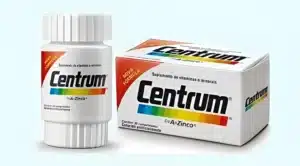
Centrum is one of the most well-known multivitamin brands, offering formulations tailored to age and gender, such as:
- Centrum for Adults: Contains 13 vitamins and 11 minerals.
- Centrum Silver: Designed for seniors, with added lutein for eye health.
Side Effects of Multivitamins
Despite their benefits, multivitamins may cause side effects, including:
- Digestive issues: Constipation, diarrhea, or nausea.
- Drug interactions: Especially with blood thinners or antibiotics.
- Overdose risks: Excess vitamin A or D can lead to toxicity.
Always consult a doctor before use, particularly for pregnant women and those with kidney or liver conditions.
Best Multivitamins for Weight Loss

Some supplements aid metabolism during dieting, such as:
- B-complex vitamins (especially B12 & B6): Help convert food into energy.
- Chromium: Reduces sugar cravings and supports insulin response (beneficial for diabetics and those with insulin resistance).
- Omega-3: Increases satiety.
Best Multivitamins for Seniors
Older adults are more prone to vitamin B12 and calcium deficiencies. Recommended options include:
- Multivitamins with vitamin D & calcium: Prevent osteoporosis.
- Omega-3 supplements: Support heart and brain health.
Frequently Asked Questions (FAQ)
1. Do multivitamins cause weight gain?
No, they don’t directly cause weight gain, but some components (like vitamin B6) may increase appetite.
2. What’s the difference between multivitamins and single vitamins?
Multivitamins combine multiple nutrients, while single vitamins target specific deficiencies (e.g., vitamin D alone).
3. Can I take multivitamins daily?
Yes, but in appropriate doses and under medical supervision.
In conclusion, multivitamins are a practical solution for filling nutritional gaps, but choosing the right type depends on age, gender, and health condition. Always consult a doctor before starting any supplement, and avoid random dosing to ensure optimal results.
“Get a free consultation now to choose the best multivitamin via WhatsApp: **+966582802526**, or explore suitable products at Ivita Store!”


